

Staying in a mobile house provides mobility and affordability, but it also comes with distinct challenges that necessitate care to ensure your home pleasant and secure. One of the most critical repair responsibilities for any mobile home owner is ensuring that your home is level. While it might appear intimidating, leveling your mobile home is an important DIY endeavor that can prevent a multitude of issues, from tilted floors to structural complications. In this guide, we will guide you through all the steps of the leveling procedure, helping you to grasp not only how to create a properly aligned home, but also the significance.
If you are experiencing issues like doors that stick, drafty windows, or even cracks in your walls, these symptoms may indicate that your mobile home is not level. By following our thorough guide, you will discover the key instruments and methods needed to address this challenge competently. With the correct information and preparation, you can upgrade your living environment while reducing expenses and protecting your investment. Let's explore trailer house leveling professional of mobile home leveling and provide you with all the information you require for a successful leveling task.
Comprehending Leveling of Mobile Homes
Aligning a mobile home is essential for maintaining its structural integrity and ensuring the well-being of its occupants. An uneven mobile home can lead to multiple issues, including windows and doors that don't function well, fissures in the walls, and even harm to the plumbing and electrical systems. Over time, elements such as soil erosion, settling, and weather changes can lead a mobile home to shift, making regular leveling checks important for homeowners.
This process involves adjusting the heights of the home’s foundation supports to create a level surface. Leveling assists allocate weight evenly across the structure and avoids excessive wear on components that can lead to expensive repairs. Understanding the basics of leveling not just enhances comfort but also extends the lifespan of the home while maintaining its value.
When you notice signs that your home might be misaligned, it's important to take action. Some signs to watch for include bumpy floors, gaps around windows and doors, and clear shifts in the home’s foundation. By identifying these signs promptly and managing them through correct leveling techniques, you can safeguard your investment and uphold a safe living environment.
Tools and Safety Measures
Before initiating on the adjustment process, it's important to assemble the right equipment to ensure a smooth job. Key tools include a measuring tool (either a traditional bubble level or a laser level for enhanced accuracy), adjustable jacks or hydraulic jacks for raising the home, timber blocks or shims for support, and a wrench for adjusting tie-downs. Additionally, a measuring tape and a pitchfork or soil probe might be helpful for assessing soil conditions and making necessary adjustments.
Safety should be your top priority throughout the leveling process. Begin by wearing protective gear such as gloves and safety glasses to guard against potential hazards. Ensure the area around your mobile home is clear from debris and hindrances. It is also important to notify anyone in your vicinity of the work being done to prevent incidents. If you are using jacks to raise the home, be sure to place them on sturdy and level ground to avoid overturning or sliding during the leveling process.
Prior to getting started, review safety measures thoroughly. Always have an emergency plan in case of accidents and utilize a buddy system if possible, so that someone is close to assist or call for help if needed. Lastly, be cautious about the environmental conditions; working in adverse weather can increase risks, so choose a sunny, dry day for the project. Taking these safety precautions will help ensure a successful leveling experience for you and your mobile home.
Step-by-Step Adjusting Procedure
To begin the leveling procedure, first make sure you have assembled all necessary tools and items. This includes a level, concrete piers, shims, a hydraulic jack, and a measuring tape. Start by examining your house on wheels for any obvious signs of unevenness, such as doors that don't close properly or cracks in the exterior. Next, identify which areas need changes by putting the level at various points along the foundation. Make a list of the spots that are high or low to see where you will need to make your adjustments.
Once you locate the depressed areas, use a jack to softly lift the structure at those areas. Place piers or stabilizers as needed to offer proper support. After raising the structure, place shims beneath the frame to eliminate any spaces and ensure it level. It may take some patience to discover the correct combination of jacks and blocks to achieve a level position. Regularly check with your spirit level as you adjust the lifts to maintain an even distribution of weight.
After securing the trailer in a even setting, double-check all your measurements and make sure all components is adequately set before you wrap up. It's vital to attach the foundation with appropriate bolts and check that the trailer is secured. Lastly, carry out a thoroughly detailed inspection to ensure all entrances, windows, and surfaces operate correctly without any resistance or issues. By following through on these steps, you will ensure that your mobile home is safely leveled and protected from future concerns.
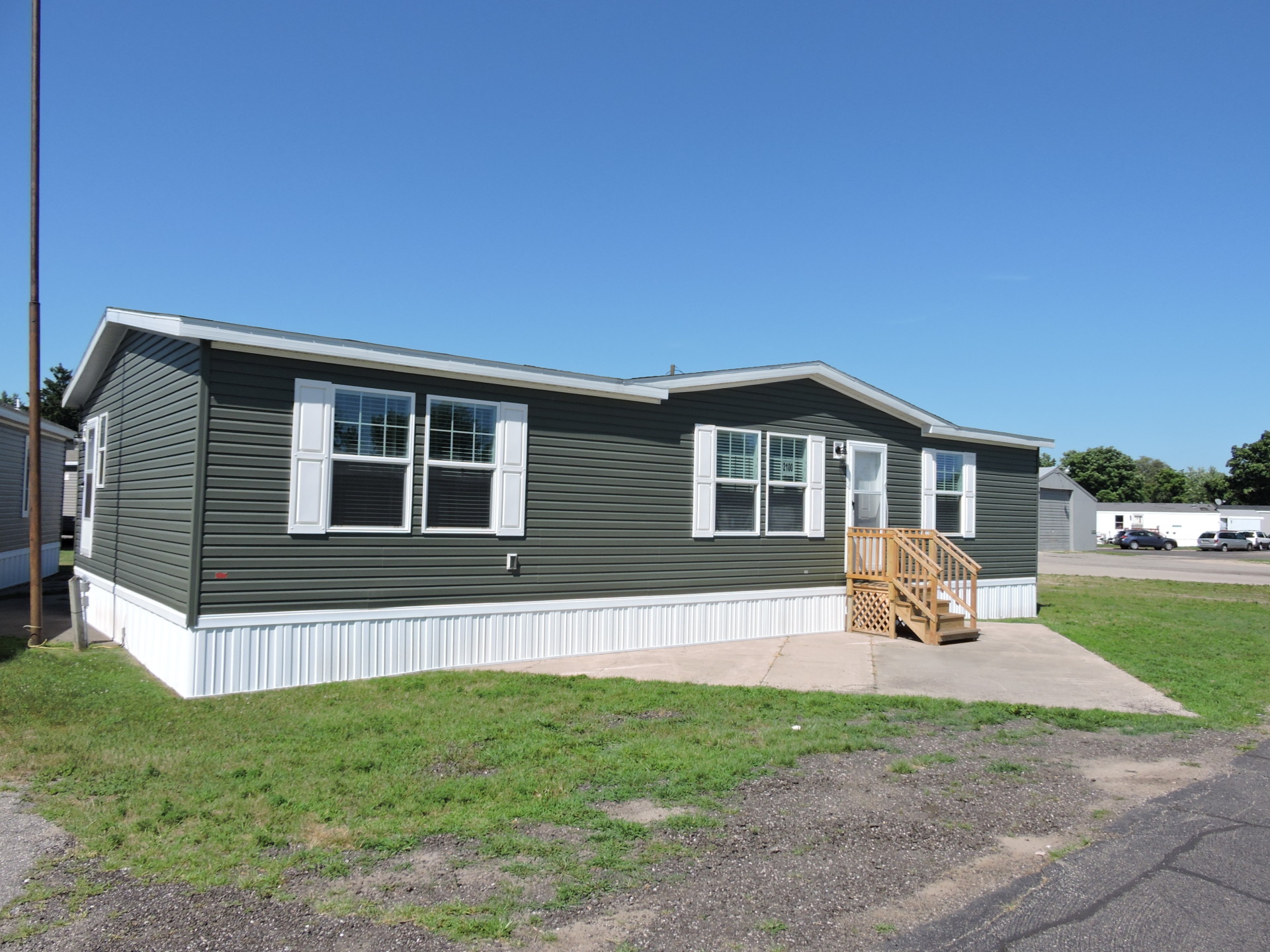
Lonestar Mobile Home Leveling & Skirting
276 County Rd 1700
Clifton, TX 76634
(254)266-5369